
Razer Blade 16 Review: Premium Gaming Laptop Worth It?
-
June 04 , 2026
-
38
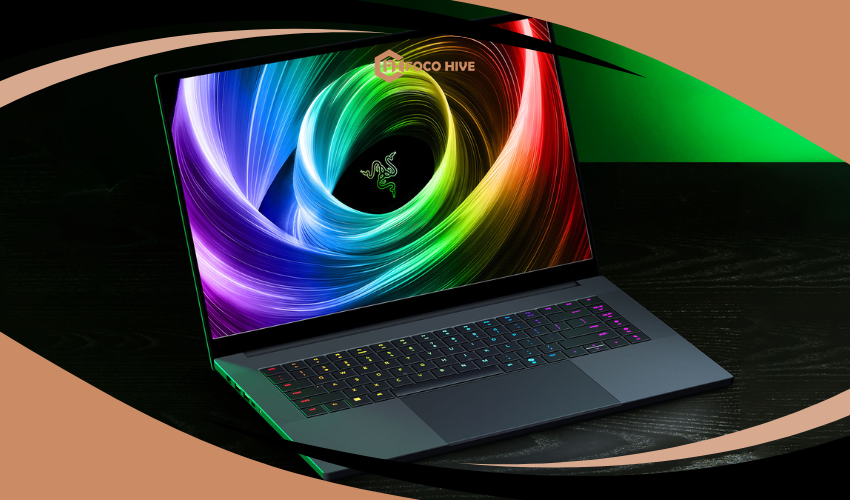
The Razer Blade 16 has long carried the reputation of being the “MacBook of gaming laptops.” In 2026, that identity is even more refined ultra-thin design, high-end hardware and a price tag that pushes it firmly into the premium category.
But the real question isn’t whether it looks good or performs well. It’s whether the experience justifies what you actually pay for it.
Table of Contents
-
Overview
-
Design & Build Quality
-
Display & Audio
-
Performance & Gaming
-
Battery Life & Portability
-
Thermals & Real-World Use
-
Pros and Cons
-
Who Should Buy It
-
Final Verdict
-
FAQs
1. Overview
The Razer Blade 16 is designed as a high-end hybrid machine that blends gaming performance with professional usability.
It typically comes equipped with Intel Core Ultra processors and NVIDIA RTX GPUs ranging from high-performance tiers up to RTX 5090 in some configurations. On the display side, it often includes OLED or Mini LED panels with high refresh rates.
👉 In simple terms, it’s built for people who want one laptop for gaming, creative work, and daily productivity without compromise on design.
2. Design & Build Quality
This is where the Blade 16 immediately separates itself from most gaming laptops.
It uses a CNC-machined aluminum chassis with a clean, minimal design that avoids flashy gaming aesthetics. Despite the powerful hardware inside, the laptop remains surprisingly thin and compact for its category.
It feels closer to a premium ultrabook than a traditional gaming machine.
👉 Key takeaway: a large part of the price is justified by build quality alone.
3. Display & Audio
The display is one of the strongest highlights.
You get OLED or Mini LED panels with high refresh rates (up to 240Hz), excellent HDR support, and strong color accuracy. In real-world use, this makes a noticeable difference not only in gaming but also in video editing and content creation.
Brightness levels and contrast are strong enough to handle both dark and bright environments effectively.
Audio is also improved with multi-speaker setups and spatial audio support, making it more immersive for both gaming and media consumption.
👉 In short: it’s a display built for creators as much as gamers.
4. Performance & Gaming
On paper, the Razer Blade 16 is extremely powerful. It can be configured with top-tier GPUs like the RTX 5090 and high-end CPUs, allowing it to handle modern AAA games at high or ultra settings without difficulty.
It also performs well in multitasking scenarios such as streaming, editing, and heavy productivity workloads.
However, there’s an important reality check.
Because of its thin design, it does not always deliver the highest sustained performance compared to thicker gaming laptops. In some cases, less expensive machines can outperform it in raw FPS simply due to better cooling headroom.
👉 Simple truth: it is high-end, but not always the fastest gaming laptop for the money.
5. Battery Life & Portability
Battery life is surprisingly decent for a gaming laptop, especially in light usage scenarios where it can last most of the day.
The slim and lightweight design also makes it far more portable than traditional gaming laptops, which is one of its biggest practical advantages.
It works well as a daily-use laptop that can also handle gaming when needed, rather than a stationary machine.
6. Thermals & Real-World Use
Like most thin high-performance laptops, thermals are a trade-off.
Under heavy gaming loads, the system can get warm and the fans become noticeable. Cooling is effective for its size, but naturally limited by the thin chassis.
Real-world feedback generally points to strong performance with occasional noise and heat during extended sessions.
👉 Bottom line: it handles heat well enough, but it is not built for sustained extreme workloads like bulkier gaming rigs.
7. Pros and Cons
The Razer Blade 16 stands out for its premium design, excellent display quality, and strong all-round performance. It is one of the few gaming laptops that feels equally at home in professional and gaming environments.
However, it comes with trade-offs. The price is significantly higher than competitors, performance per dollar is not the best in its class, and thermal limits can affect sustained gaming performance. Upgradeability is also limited in some configurations.
8. Who Should Buy It
This laptop makes sense if you want a premium device that handles both gaming and professional work in a single package. It is especially suitable for users who care about design, portability, and a clean aesthetic.
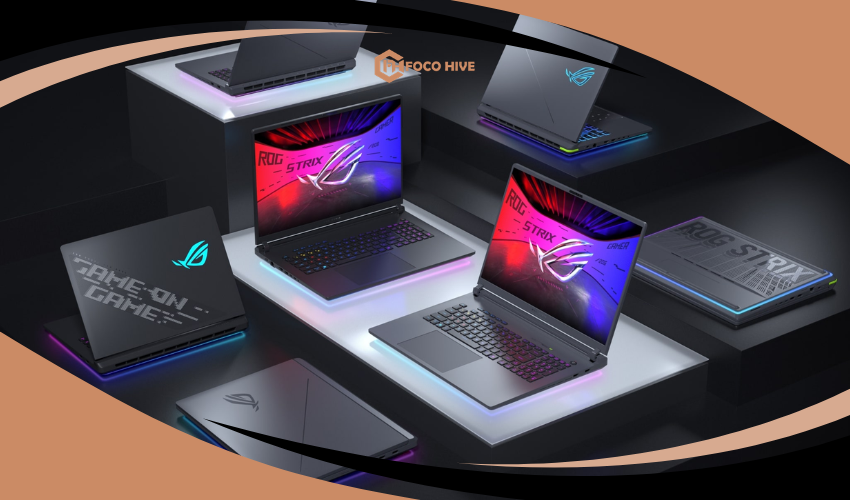
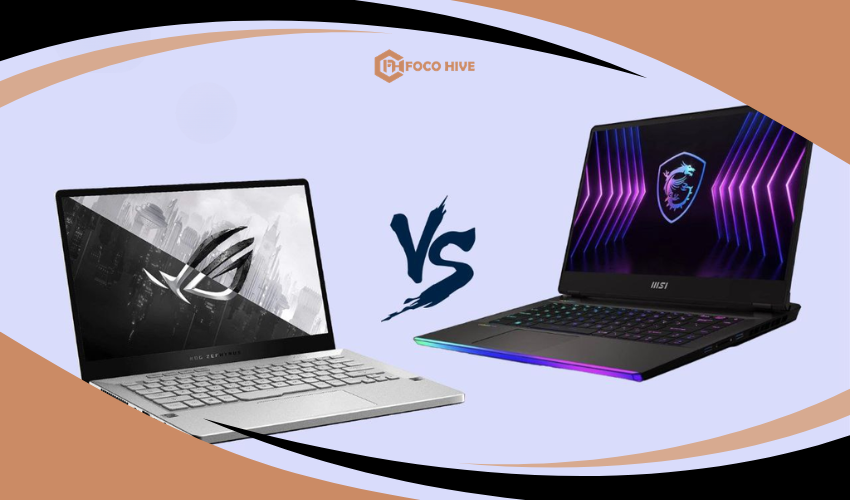
It is not the right choice if your focus is maximum FPS per dollar or if you mainly game at a desk. In those cases, thicker gaming laptops from ASUS ROG or Lenovo Legion offer better value.
9. Final Verdict
The Razer Blade 16 is not about being the fastest gaming laptop available. It is about delivering a premium, balanced experience in a slim form factor.
It does not dominate purely on performance, but it leads in design, portability, and overall user experience.
👉 Final takeaway:
It is a luxury gaming laptop. Worth it only if you value design, portability, and premium build as much as raw performance.
10. FAQs
Is the Razer Blade 16 good for gaming?
Yes, it handles modern AAA games smoothly at high settings depending on configuration.
Why is it so expensive?
Because of its premium build quality, slim design, and high-end components.
Is it better than ASUS ROG laptops?
Not always. ASUS ROG laptops often provide better performance for the price.
Is it good for creators?
Yes, especially due to its OLED display and strong CPU/GPU performance.
Does it overheat?
It can get warm under heavy load, which is normal for thin gaming laptops.
Can I write you?
Sign up to get my weekly newsletter.
Trending Stories



Best Seller